What we do
Film and photography for government, health services, community organisations, the arts and business. We are a majority Aboriginal-owned team on Darkinjung Country, on the Central Coast of NSW, registered with Supply Nation.
Most of our work is commissioned. Some of it we make on our own, as documentary series and exhibitions. Each side feeds the other.
Commissioned work
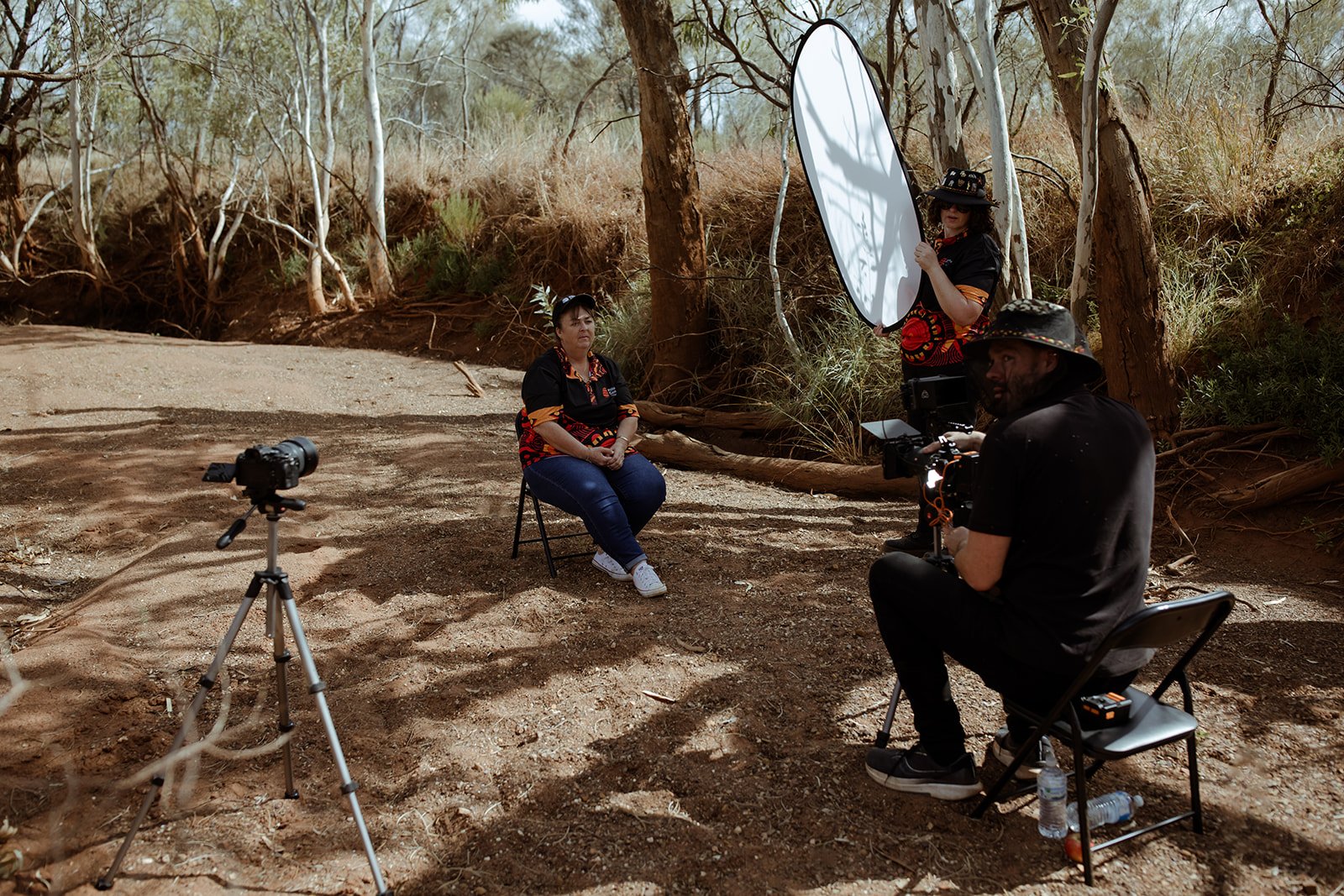
Documentary, recruitment, event and brand films, plus interviews and podcasts. A small crew on the shoot, and edited by Luke.
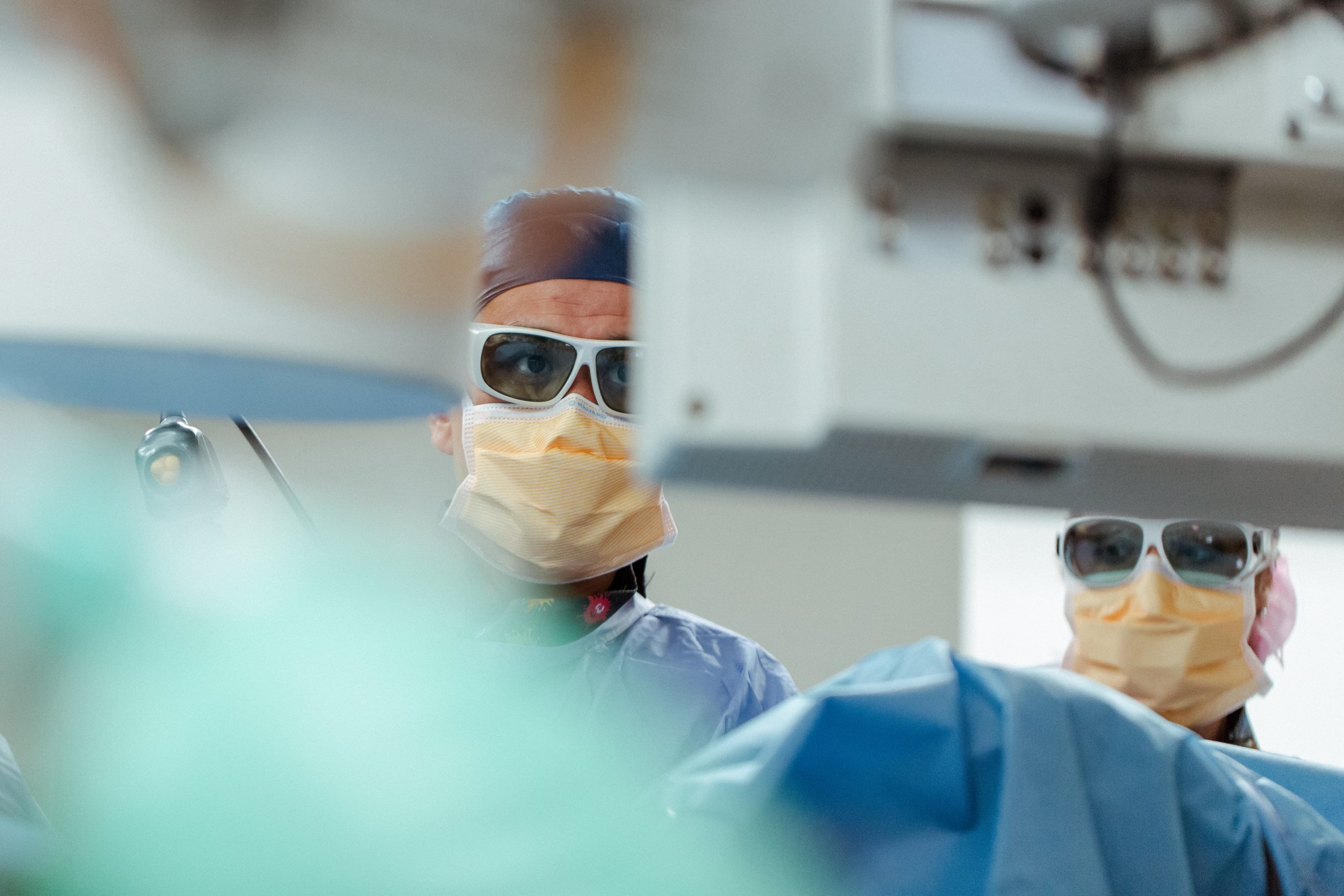
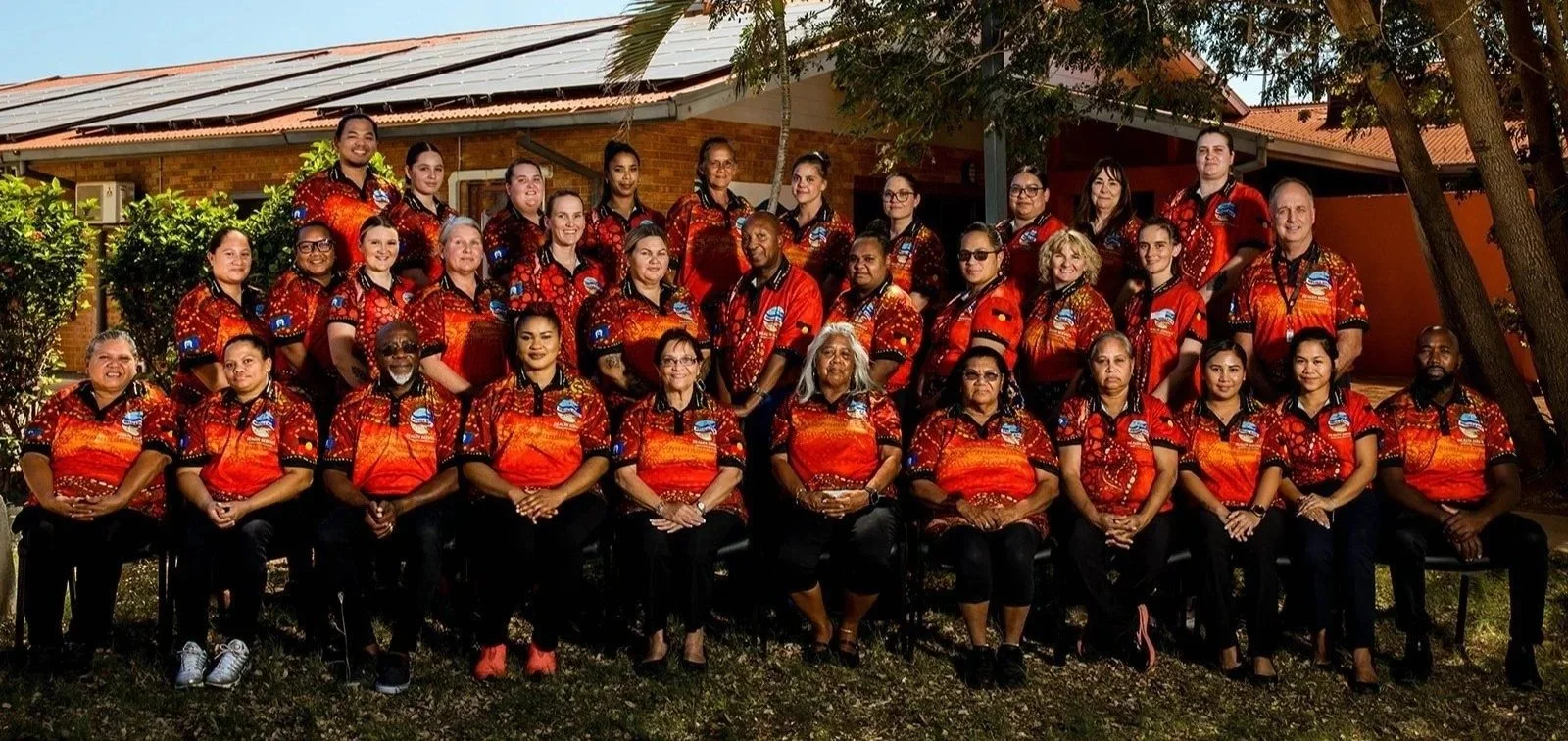
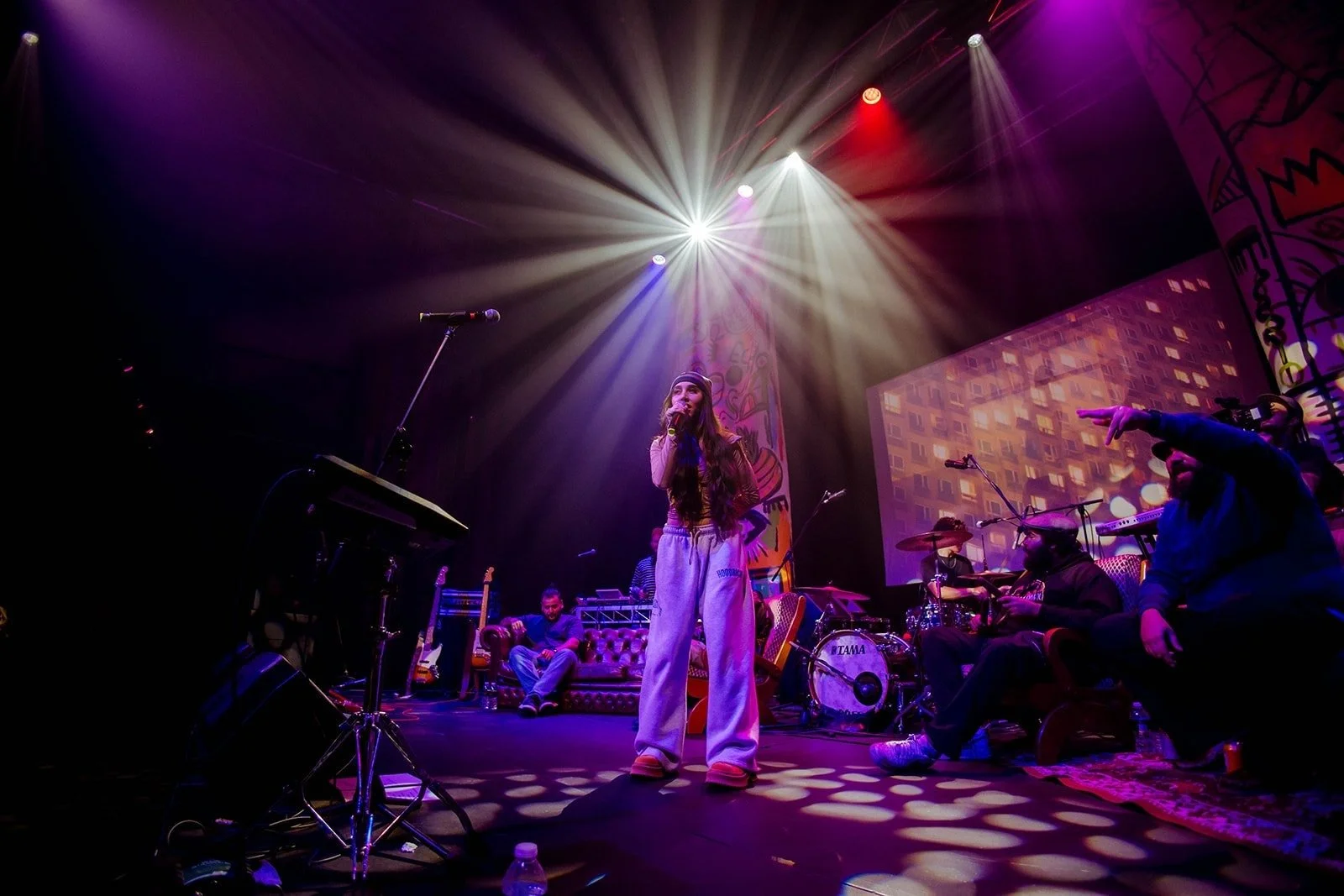
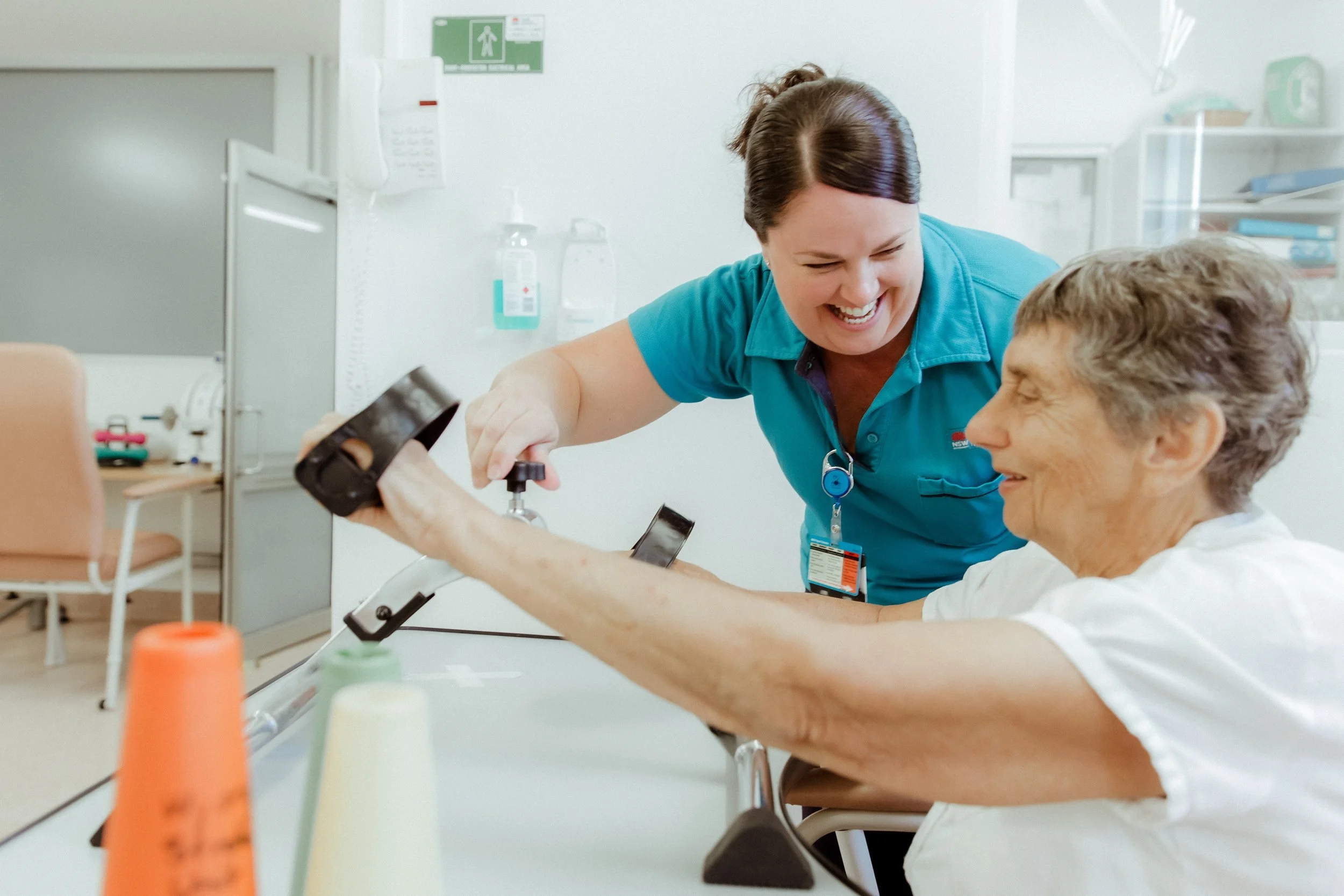
Staff and clinical portraits, documentary, events, festivals and performance. Edited and colour graded, with selects first when you need them fast.

For procurement teams: our ABN, Supply Nation registration, insurance, and how agencies can buy from us, on one page.
Also in our practice
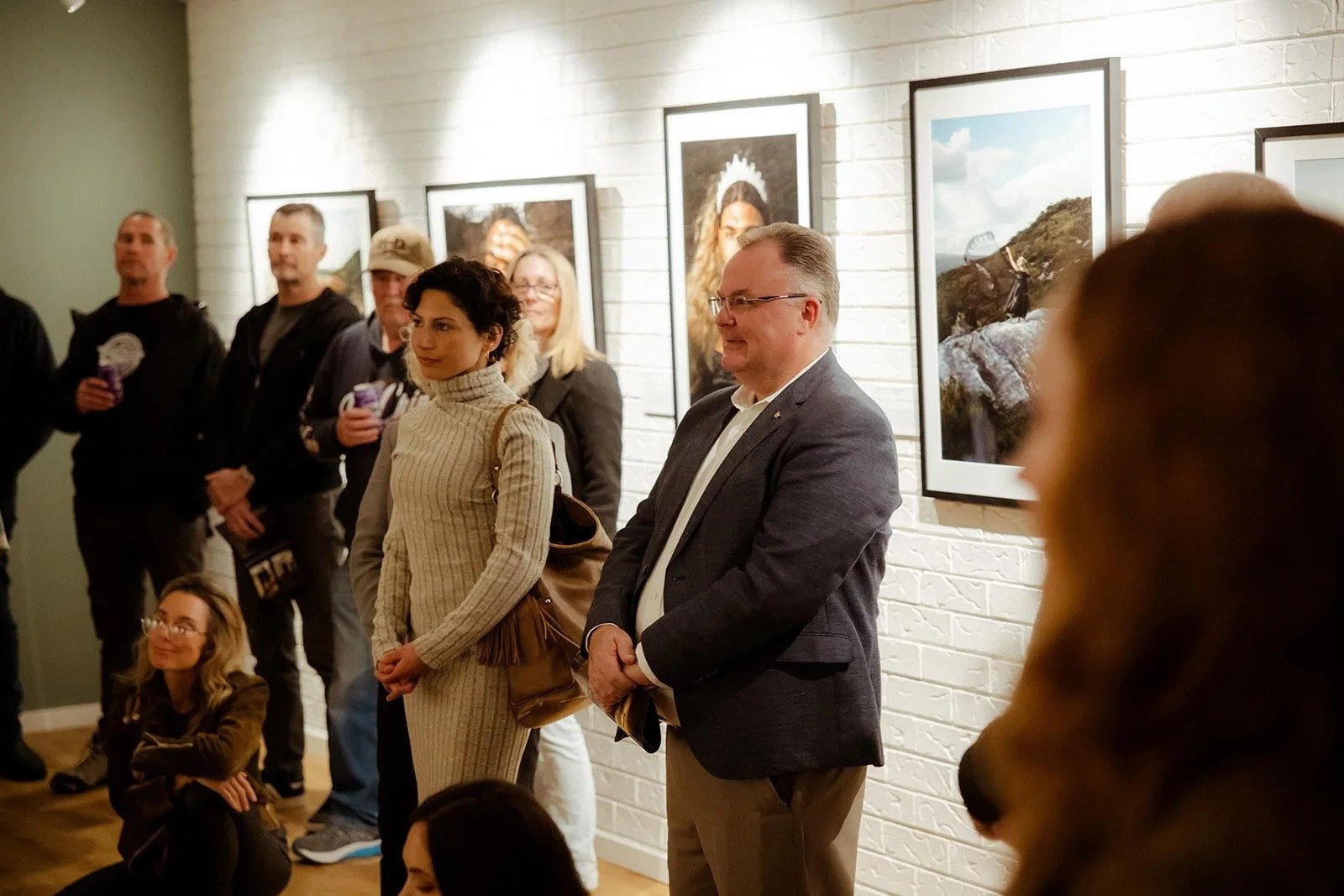
Photographic series made for the gallery wall and printed on fine art rag paper. Our NAIDOC Week 2025 exhibition paired the Pilbara Portraits with the Shaede Project.
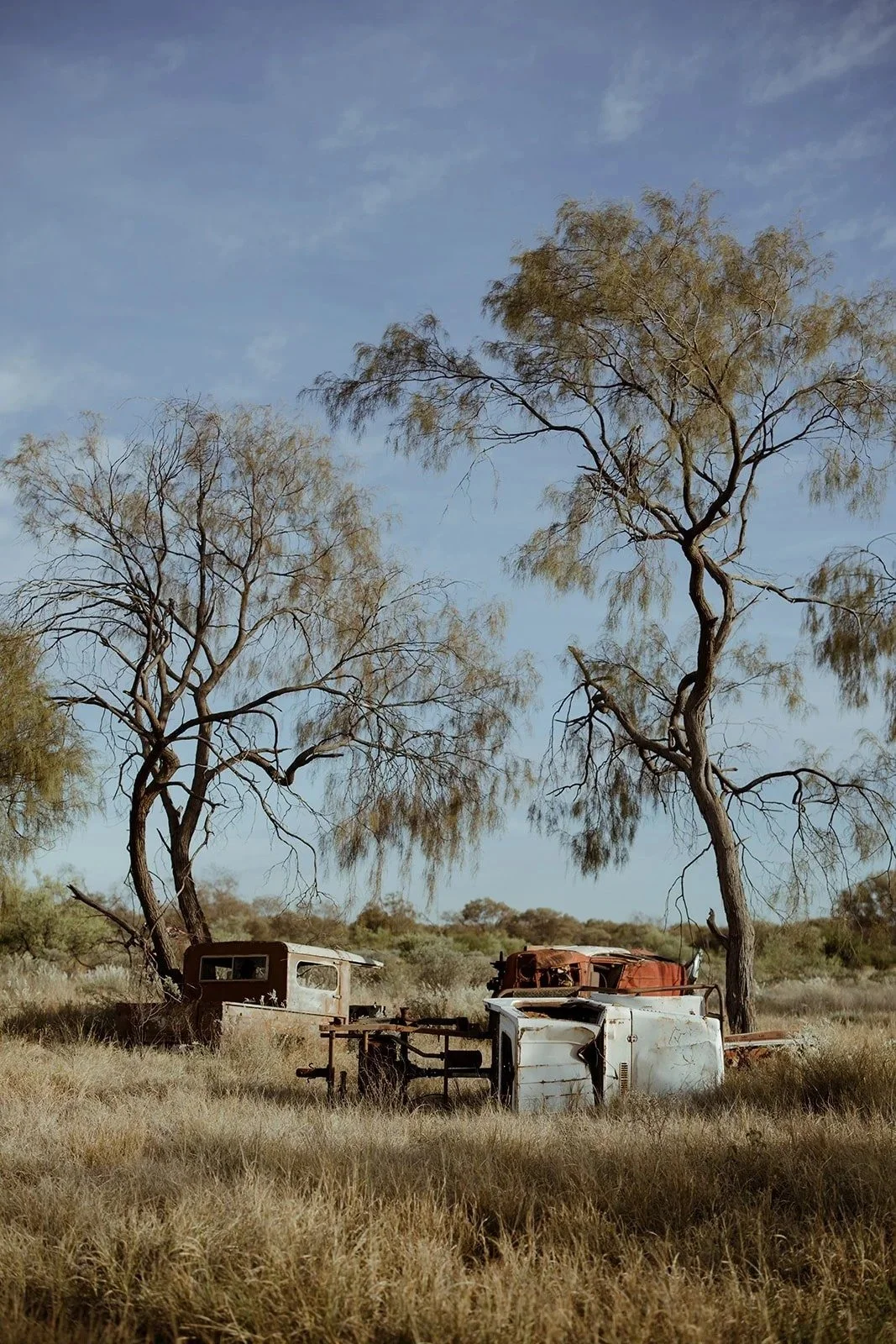
Long-form series made with the people in them, on their terms. Jigalong in the East Pilbara. The Shaede Project with Dylan Hoskins.

Documenting the people who turn up: Invasion Day in Sydney, the Reconciliation Walk in Gosford, and the marches for Palestine.
Creative direction for events
Shaping how an event looks and feels on the day, from the room to the program to what gets captured, so the story holds together.
Public art installations
Designing and curating immersive installations that bring photography and film into public space, made with the community whose story it is.
Branding
Logos, colour, type and the visual system around them, built from the story you want to tell, with guidelines your team can use.
Web design
Websites designed and built around your photography and film, with a handover so your team can keep them up to date.
How we work with community
Consultation and consent
We talk with community and Elders before a project starts, and agree who appears, what is filmed and how it is used.
Cultural protocols
We follow the protocols of the Country we are on, and work to ICIP principles, so cultural knowledge stays with the people it belongs to.
Representation
People are shown as they are, in their own words, holding the power in their own story. No stereotypes.
Collaboration
We work alongside First Nations creatives and communities, so their voices lead. Read how we approach it.